
OVERCOMING THE MOTIVATIONAL DECLINE

“The only person you are destined to become is the person you decide to be.”
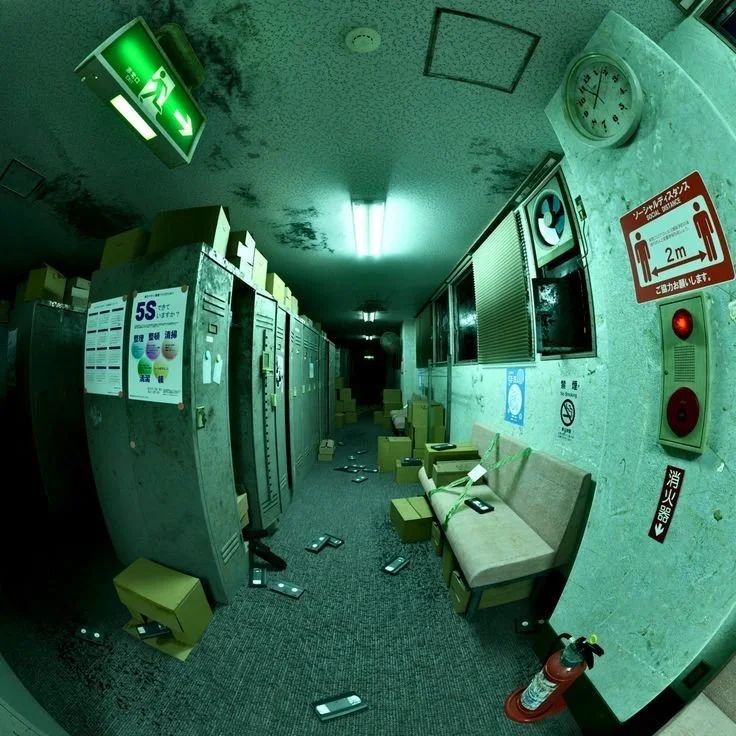
The year 2020 reshaped the world in ways none of us were prepared for. As COVID-19 forced shutdowns, isolated communities, and shifted our lives online, motivation took a hit across every generation. Especially for young people who were navigating school, work, and major life changes all at once, like me. It was difficult to overcome the feeling of disconnectedness brought on by finishing school on Zoom, balancing uncertainty, and losing daily structure. Instead of feeling on a path forward, many of us felt suspended in time, trying to stay afloat in a world that suddenly felt very small. The long-term effects of that worldwide shut down still echo today, especially in how Gen Z’s work ethic is perceived.
In the business world, a narrative quickly formed painting Gen Z as lazy, unprofessional, and unwilling to put in effort. Employers complained about lack of motivation and short attention spans. What often gets overlooked is that our entry into adulthood happened during a global crisis, one that forced us to adapt faster than any generation before us. The shift to remote everything wasn’t our choice; it was our reality. But instead of acknowledging the trauma and disruption, the corporate world sometimes reduced our experience to a stereotype.
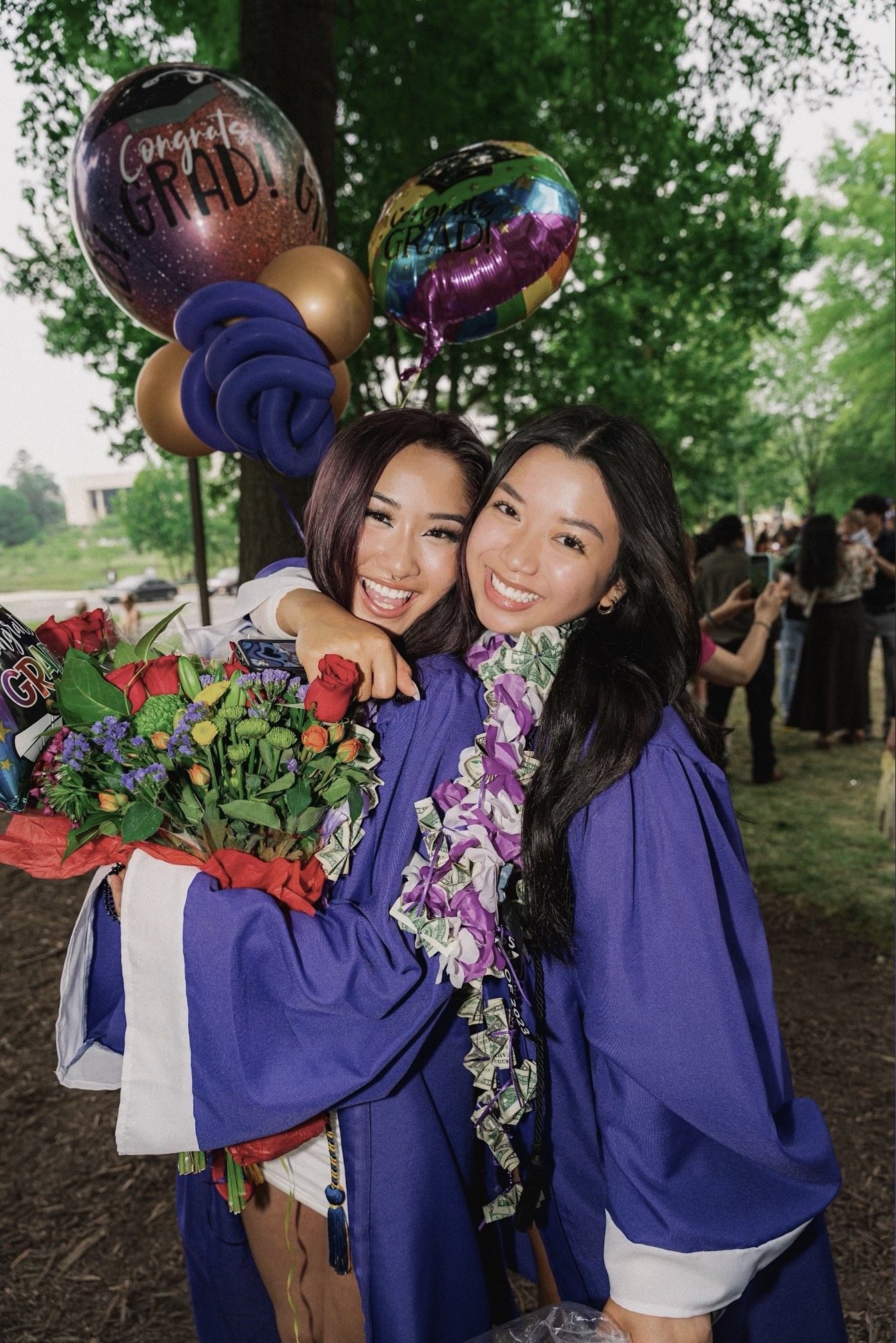
For me, breaking free from that stereotype became both a personal mission and a professional turning point. I realized that if I wanted to prove something to myself, and to the world, I had to rebuild my motivation intentionally. I started by creating a structure again by setting goals, managing my time, and finding purpose in small, consistent habits. I leaned into my strengths instead of the expectations placed onto my generation. By focusing on resilience and self-awareness, I slowly shifted from surviving to growing. That growth became my quiet counterargument to the idea that Gen Z lacks work ethic. This mindset shift directly influenced my path in fashion merchandising. Fashion is an industry that expects adaptability, creativity, and fast-forward thinking exactly the skills Gen Z gained during the pandemic.
I learned to channel my motivation into understanding consumer behavior, studying brand identity, and connecting trends to broader cultural moments. The same flexibility that helped me endure 2020 now helps me thrive in a field where change is constant and innovation is essential. Instead of seeing my generation’s pandemic experience as a weakness, I see it as a unique strength that shapes how I work, communicate, and approach challenges.
Overall, navigating post-COVID life and overcoming negative stereotypes helped define who I am today, focused, resilient, driven, and determination about my future. I’m part of a generation that had to rebuild motivation in real time, and I carry that sense of adaptability into everything I do, especially my fashion merchandising career. I’ve learned that being Gen Z doesn’t mean being lazy but it means redefining what professionalism looks like in a world that keeps evolving. And through that lens, I’ve grown not just as a student or a professional, but as a person who knows how to rebuild and move forward with purpose.
