THE EVOLUTION OF DRESS
IN ALICE IN WONDERLAND
IN ALICE IN WONDERLAND
THE EVOLUTION OF DRESS IN ALICE IN WONDERLAND:
CHARACTER DEVELOPMENT THROUGH COSTUME
I was tasked with selecting a concept that explores the intersection of fashion and film and analyzing how costume contributes to storytelling. For my project, I chose Alice in Wonderland and examined how Alice’s wardrobe evolves across different adaptations. I focused primarily on Disney’s classic 1951 animated film and Tim Burton’s 2010 live-action reinterpretation, comparing their costume choices to the original descriptions in Lewis Carroll’s 1865 novel Alice’s Adventures in Wonderland. The goal was to deconstruct how each version of Alice’s outfit reflects her character development, the cultural moment in which the film was made, and the deeper meaning embedded in costume design.
This was an individual project, researched, written, and produced entirely by me. I selected the adaptations, conducted all costume analysis, and edited the final video.
THE PROCESS
-
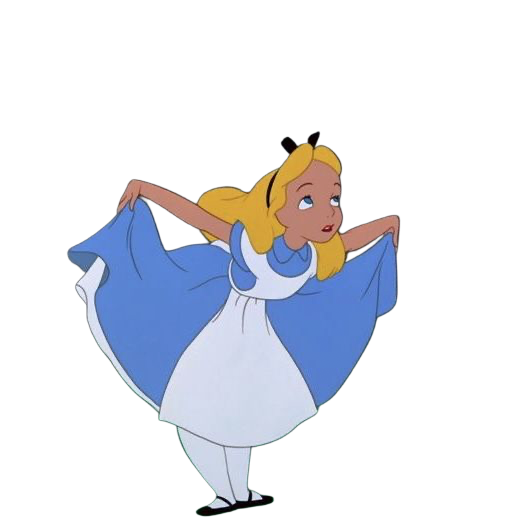
I selected Alice in Wonderland because Alice is one of the most frequently reinterpreted characters in fashion history, making her ideal for analyzing costume as narrative. Her iconic blue dress has evolved dramatically across decades, cultures, and filmmaking styles, offering a rich foundation for comparison. I decided to focus on how her looks reflect her emotional journey, personal growth, and the tone of each adaptation.
-
Before analyzing the films, I returned to Lewis Carroll’s Alice’s Adventures in Wonderland and studied the original John Tenniel illustrations. I noted key details such as the Victorian pinafore, Mary Jane shoes, and structured silhouette. This created a baseline for understanding how far each adaptation diverged—or stayed true—to Alice's literary origins.
-
I chose two highly influential versions:
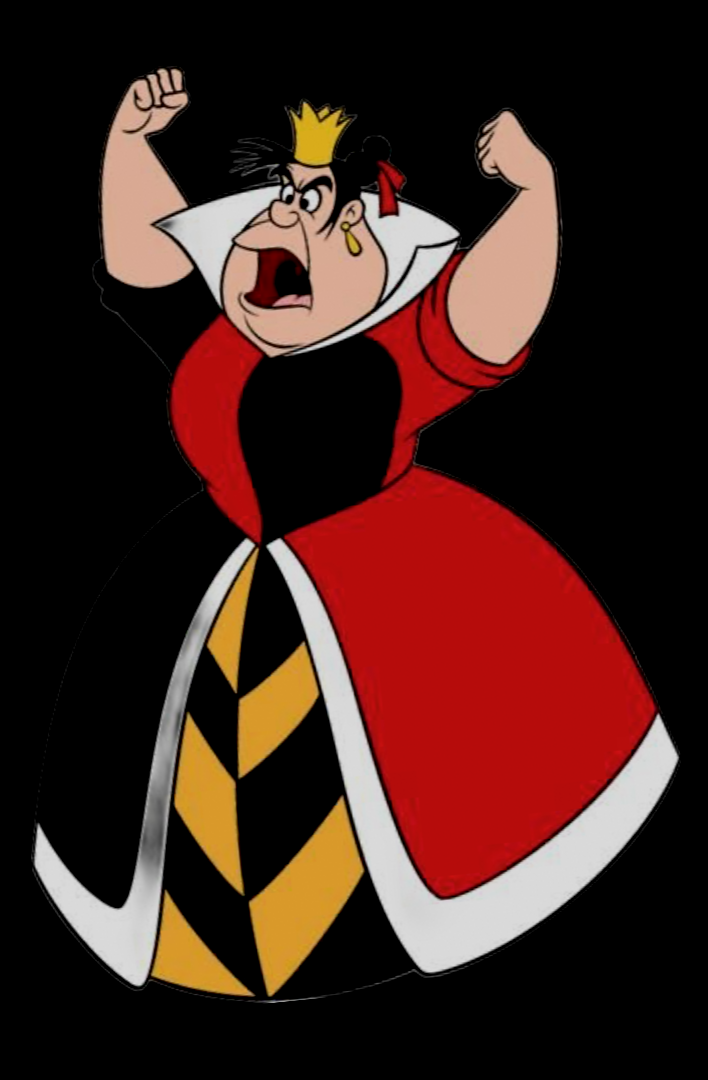
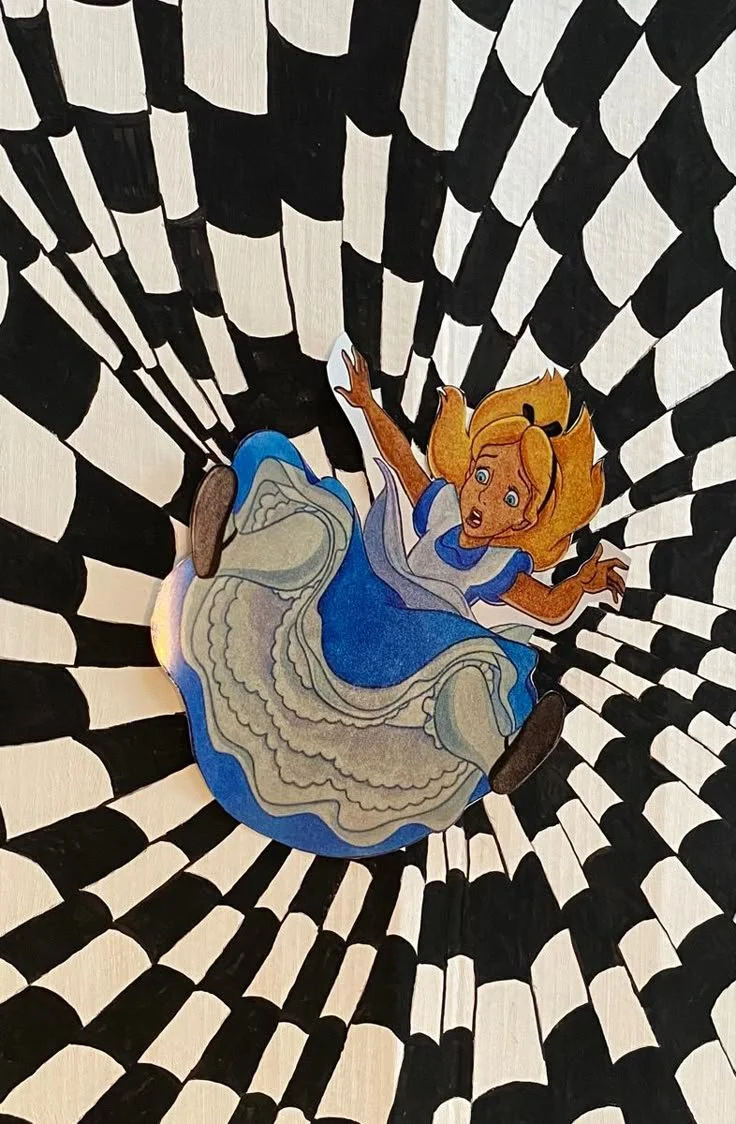
Disney’s 1951 animated film, which cemented the blue dress in pop culture
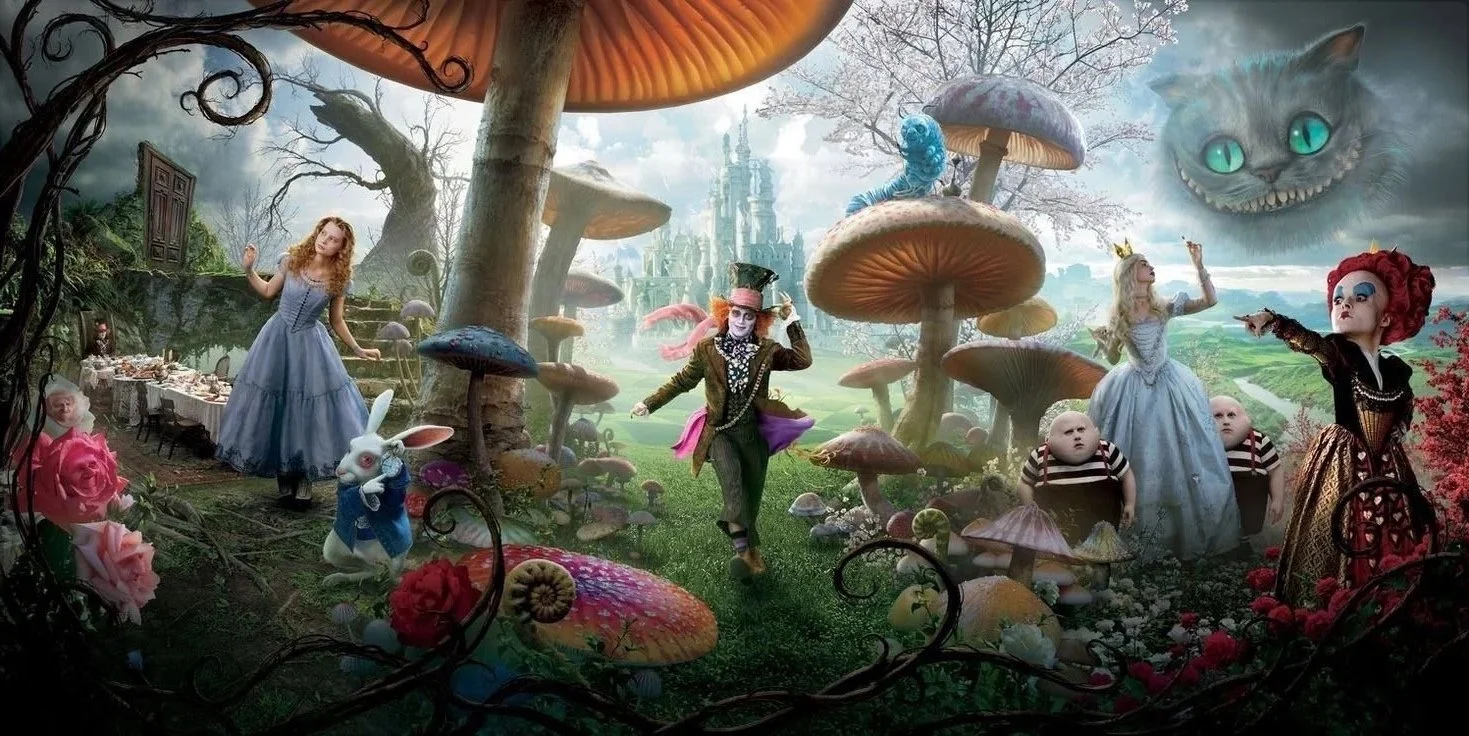
Tim Burton’s 2010 live-action film, known for its darker fantasy elements and more complex costumes
These two films bookend nearly 60 years of shifting cultural values, making them ideal for a study in costume evolution.
-
I examined a wide range of design choices, including:
Silhouette changes (from structured Victorian shapes to modern fantasy silhouettes)
Color palettes (light blue innocence vs. deeper, saturated tones)
Fabric choices (simple cotton vs. embroidered silks and layered textiles)
Accessories (bows, aprons, shoes, hair ribbons)
Symbolic elements (how clothing reflects Alice’s emotional and psychological state)
Each adaptation revealed something unique about how the director and costume designer interpreted Alice’s character.
-
I collected original film images and arranged them in chronological order to clearly show costume evolution. I avoided presentation screenshots and instead used high-quality source visuals. I combined research, visuals, and written analysis into a polished video titled The Evolution of Dress in Alice in Wonderland, highlighting how costume becomes a storytelling device.
SKILLS
-
Film & Costume Analysis
Examined how wardrobe choices communicate personality, growth, and thematic meaning across different Alice adaptations.
-
Historical Research
Referenced Victorian fashion, Carroll’s original text, and the cultural context surrounding each film release.
-
Comparative Visual Analysis
Compared silhouettes, color palettes, textures, and garment construction across decades of Alice portrayals.
-
Creative Direction
Curated imagery and narrative direction to show how each costume reflects the filmmaker’s vision and Alice’s emotional journey.
-
Digital Editing & Media Production
Edited the final video using original film stills, research notes, and structured narration.
-
Critical Thinking & Interpretation
Connected costume changes to deeper themes such as identity, childhood innocence, rebellion, fantasy, and transformation.
OUTCOME
This project deepened my understanding of how fashion functions as narrative, revealing how costume design can express growth, emotion, and identity just as powerfully as dialogue or cinematography. I strengthened my analytical skills, learned to read costume as symbolism, and gained experience transforming research into a visually engaging multimedia piece.